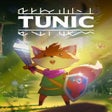
Tunic: Cryptic Fox Adventure with Zelda-like Exploration and Puzzle Manual
Tunic, developed by Andrew Shouldice, is an isometric action-adventure that casts you as a small fox exploring ruined lands and decoding mysteries. The game combines exploration, challenging combat, and environmental puzzles, asking players to discover mechanics through play rather than explicit tutorials. A collectible 56-page in-game manual, a fictional runic script, and hidden input systems shape the core loop. Fans of classic adventure titles who enjoy deliberate discovery gain the most from this solitary puzzle-focused experience.
Tunic mixes Zelda-like exploration with cryptic discovery
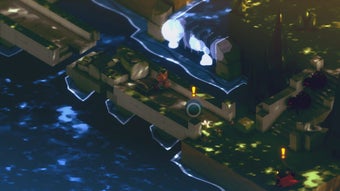
The game plays as a compact exploration loop: traverse interconnected ruins, locate secrets obscured by the isometric view, and unlock new routes. Design deliberately removes hand-holding, so the player pieces together rules by observation and item acquisition. Hidden pathways and perspective-based tricks encourage slow, investigative play rather than rush-through movement, making map-reading and spatial memory central to forward momentum.
Combat and the manual form the game's central tests
The game pairs demanding, Souls-like encounters with a meta-puzzle in the collectible manual. Combat pits the player against diverse enemies and bosses that require timing and positioning, while the 56-page in-game manual functions as both help and riddle. Notable mechanics include:
- manual pages that reveal systems and maps
- a constructed runic language players can translate
- a hidden "Holy Cross" input method for environmental puzzles
Art and sound push the player toward careful observation
Visuals use a small-scale isometric presentation that both charms and conceals, and the soundtrack supports a patient, exploratory mood. Critics singled out art direction and music in praise, pointing to how atmosphere and audio cues guide attention without explicit markers. The fictional script and minimal HUD reinforce a sense of antiquity and mystery, so players attuned to visual and sonic detail gain extra narrative and gameplay clues.
Difficulty rewards patient explorers but demands initiative
The game does not spoon-feed progress, so the learning curve privileges experimentation and note-taking. Accessibility toggles, including a No Fail mode and a No Stamina Restrictions option, let players shift emphasis from survival to exploration. Progression ties to collecting manual pages and deciphering systems rather than linear level gating. The developer spent several years building this solo project into a focused, puzzle-forward experience, which shapes its pacing and scope.
In summary, Tunic suits players who enjoy solitary puzzle discovery
Tunic is a rewarding choice for players who enjoy methodical exploration and cryptic puzzle work, especially those drawn to classic action-adventure design. It asks for patience and investigative effort, so players who prefer clear, guided onboarding may find its opacity frustrating. For anyone seeking a compact, deliberate exploration experience, it offers a distinct, discovery-driven alternative to more hand-held adventure titles.